
-
Tea Before Bedtime
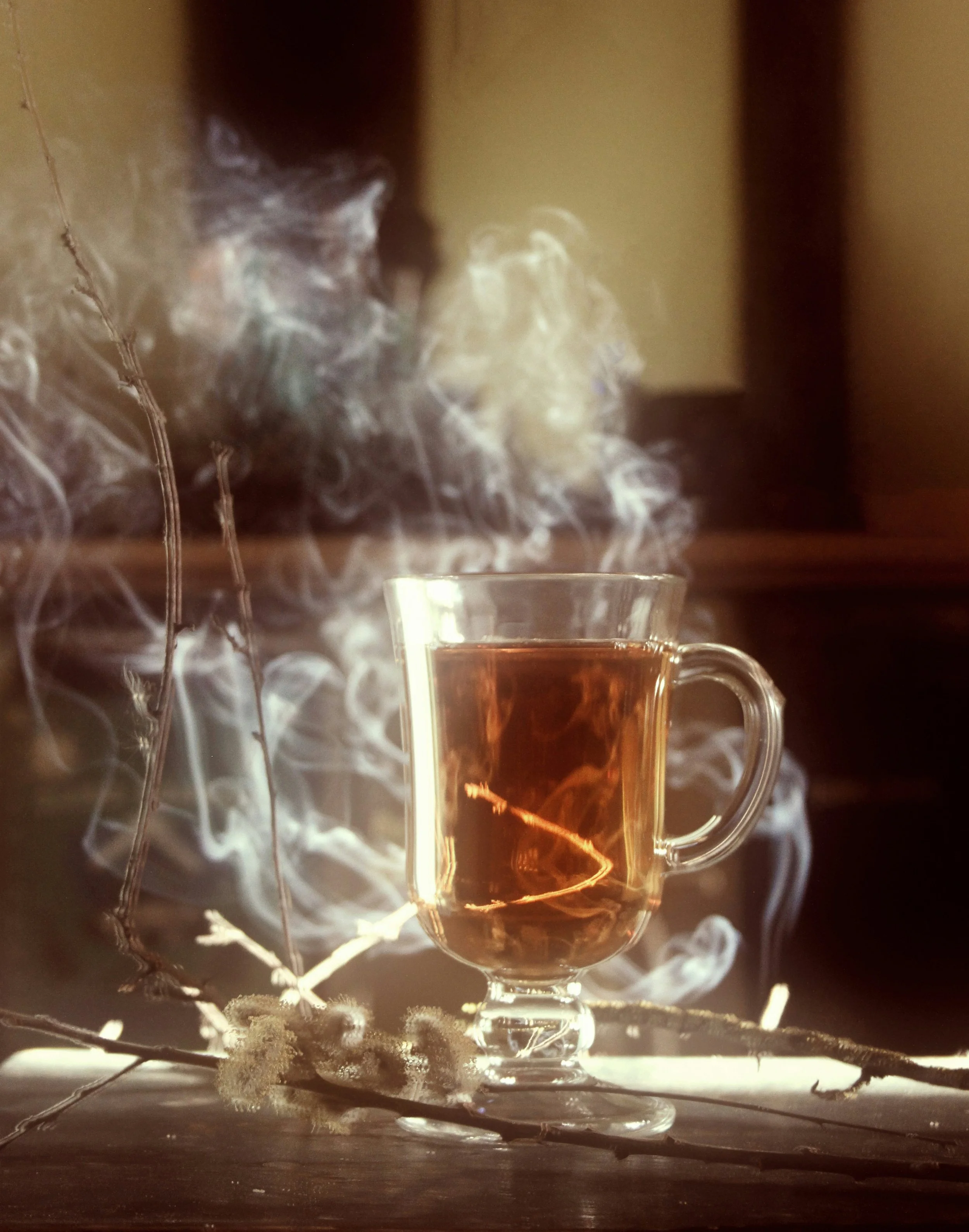
For sleep and stress, Chamomile is the top choice for its calming antioxidants, with Valerian Root, Lavender, and Lemon Balm also highly effective for relaxation and reducing anxiety, while Passionflower and Rooibos offer similar benefits, often found in specific sleep-blend teas like Yogi Bedtime Tea. These caffeine-free herbal teas promote relaxation by interacting with brain receptors or providing calming compounds like L-theanine (in decaf green tea) or rosmarinic acid, easing you into restful sleep.
Chamomile: Classic choice, contains apigenin that promotes sleepiness and soothes anxiety.
Valerian Root: Used for insomnia, interacts with GABA receptors to calm the nervous system.
Lavender: Aromatic and mild sedative, helps reduce anxiety and creates a peaceful atmosphere.
Lemon Balm: Contains rosmarinic acid, lowering stress and anxiety.
Passionflower: Similar calming effects to chamomile, specifically linked to better sleep quality.
Rooibos (Red Tea): Rich in flavonoids and antioxidants, helping combat stress hormones.
Magnolia Bark: Traditional Chinese remedy with sedative compounds (honokiol, magnolol).
Peppermint: Aids digestion, helping you settle down.
Linden: A mild sedative often used in sleep teas.
-
Calm Your Surroundings
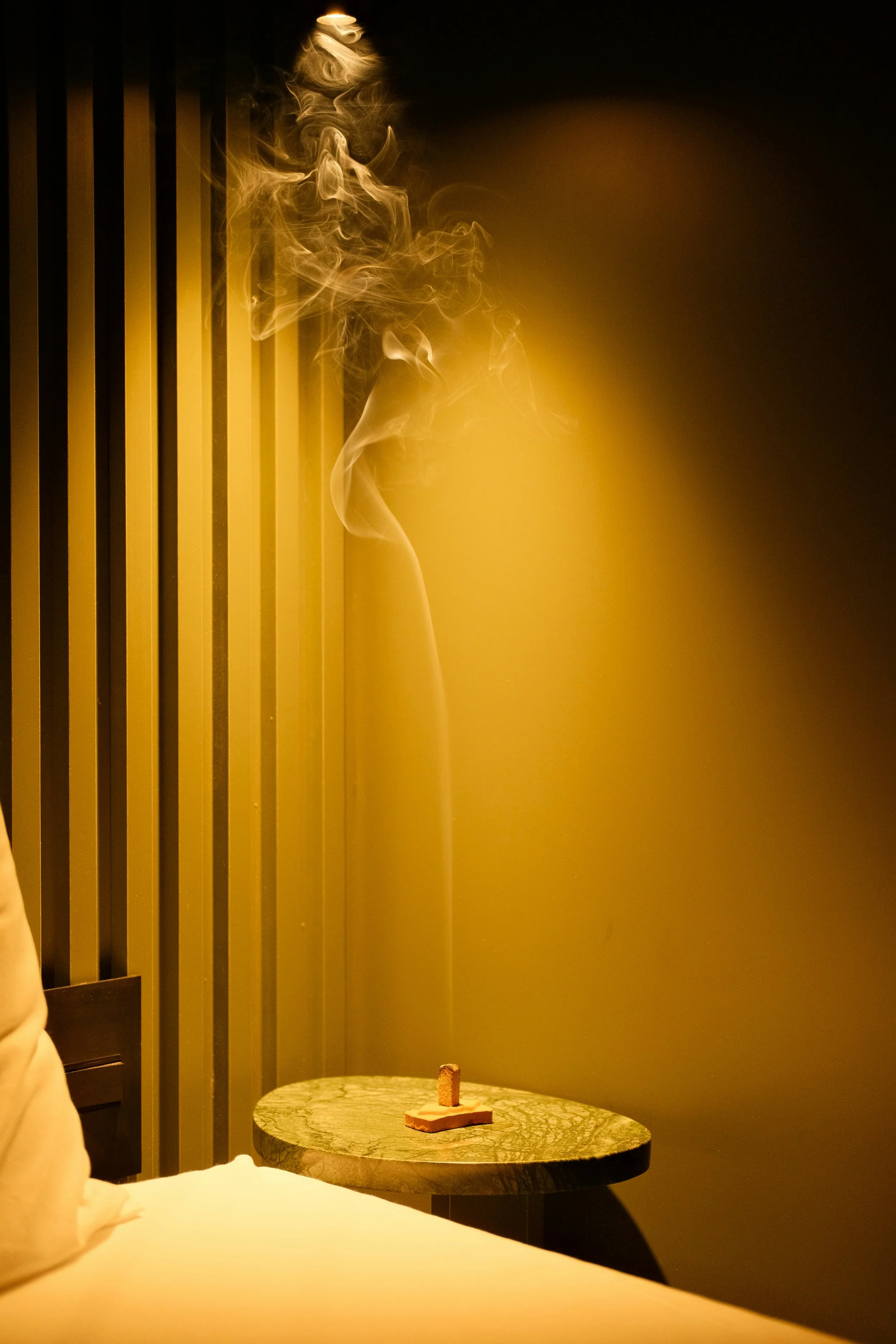
Calming scents can support better sleep by relaxing the nervous system and helping the brain transition from alertness into rest.
Scents such as lavender, chamomile, and sandalwood are known to reduce stress and promote relaxation, which can make it easier to fall asleep.
Aromatherapy works through the brain’s limbic system, the area responsible for emotion and memory, helping signal safety and calm before bedtime.
Using scents through diffusers, pillow sprays, or essential oils is a simple way to reinforce a consistent nighttime routine.
Research suggests regular exposure to soothing scents can improve sleep quality and may reduce symptoms of insomnia over time.
For best results, choose high quality essential oils and use them consistently to build a strong association between scent and sleep.
-
Sleep & Rest
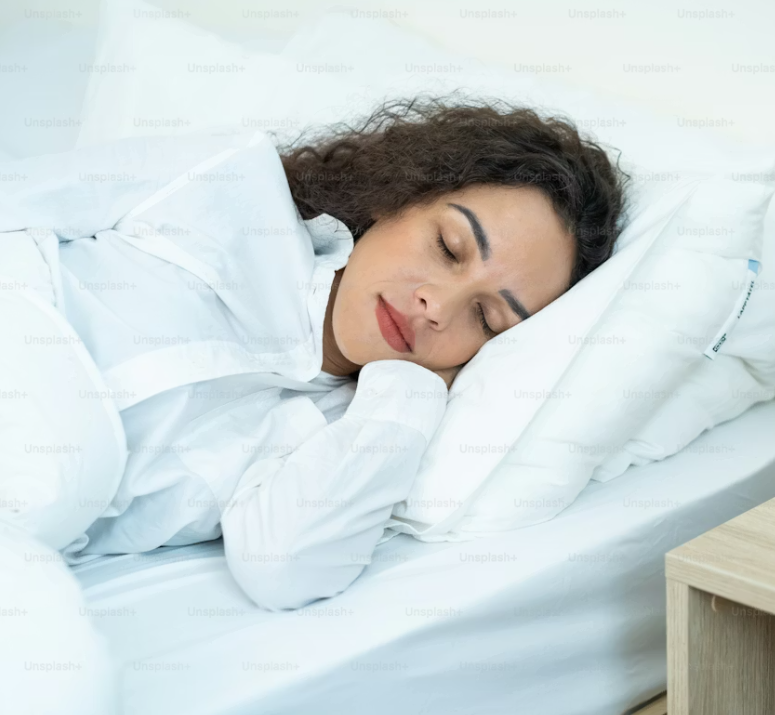
A fast-paced lifestyle may make us feel productive, but when pushed too far, our pace can jeopardize our health, vitality, and even spiritual well-being.
Frequently the lines between relaxation and sleep become blurred in our fast-paced environment, when time is a valued commodity.
a. Rest
During rest, the body stays awake, but at a reduced degree of activity.
While the brain remains active, people can experience relaxation, reduced tension, and an overall sensation of peace.
Rest can occur both in wakefulness and during sleep when transitioning between sleep stages.
b. Sleep
Sleep involves distinct stages, including non-REM (rapid eye movement) and REM sleep.
Non-REM sleep consists of four stages, with each stage serving a specific purpose in physical and mental restoration.
REM sleep is associated with vivid dreams and plays a crucial role in memory consolidation and emotional regulation.